Our approach to AERD treatment
Redefining treatment for AERD
Many people who come to the Penn AERD Center have had multiple sinus surgeries, recurring nasal polyps, asthma, and other symptoms that haven’t improved with traditional treatments.
At Penn Medicine, we don’t just manage symptoms; we provide a definitive path forward. Our approach is built on a seamless partnership between allergy/immunology and rhinology specialists, ensuring that your diagnosis is thorough and your treatment plan is comprehensive from day one.
The pillars of our approach
We leverage decades of specialized experience and research-backed protocols to deliver results where traditional AERD treatments have failed. Our approach is built on three foundational pillars that ensure our patients achieve outcomes they couldn't find elsewhere.
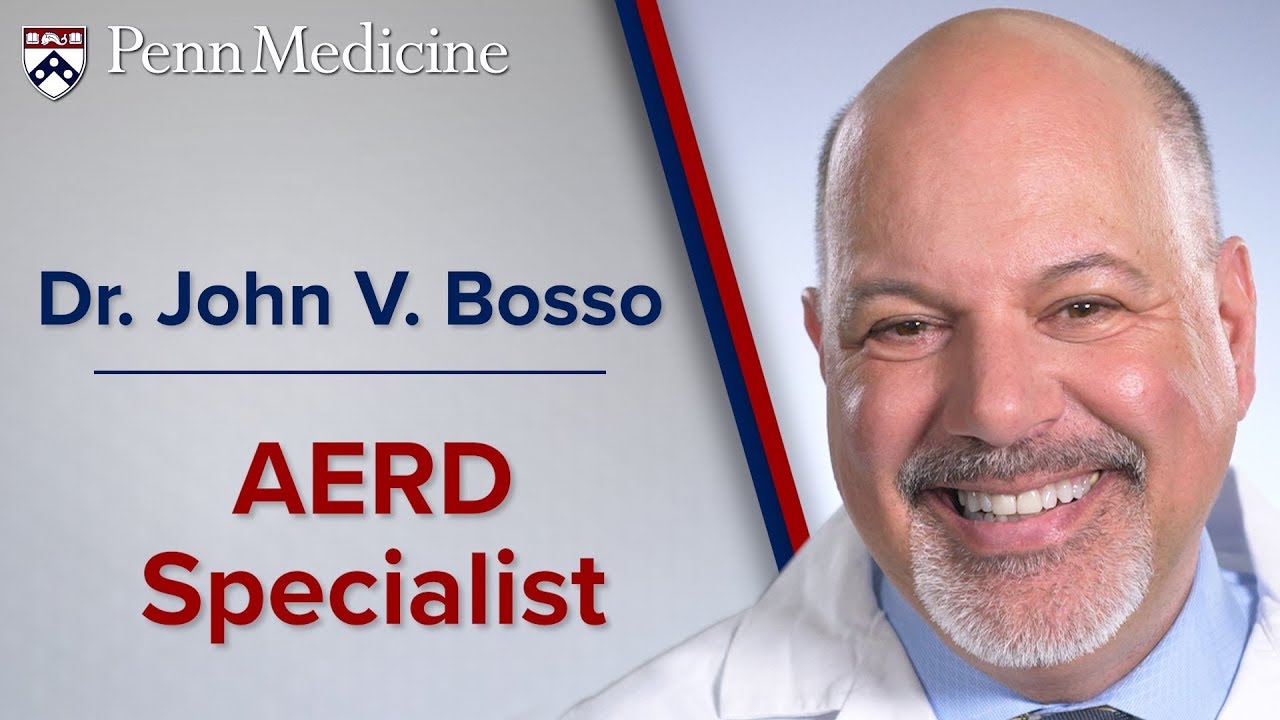
- Unmatched clinical expertise: Led by John V. Bosso, M.D., a pioneer in aspirin desensitization, our team specializes in the most complex AERD cases, successfully treating patients who have seen multiple doctors and had several surgeries without lasting relief.
- One unified, multispecialty team: Providers with expertise in ear, nose, and throat (ENT) and rhinology work closely with our experts in allergy and immunology in a seamless partnership to evaluate, diagnose, and treat AERD.
- The “Gold Standard” treatment protocol: Our proven "surgery-to-desensitization" pathway is designed to stop the cycle of polyp regrowth and restore your quality of life with long-term remission.
Your roadmap to long-term relief from AERD
Our specialists can often diagnose AERD based on a deep dive into your clinical history and symptoms. If it’s unclear whether you have sensitivity to NSAIDs, we may conduct a test called an aspirin challenge that involves giving you aspirin at gradually increased doses to determine if it triggers your symptoms. If it does, your symptoms are immediately treated by our providers. Because of our expertise in AERD, we can provide an accurate diagnosis even in complex cases.
Our coordinated care includes scheduling evaluations with our specialists on the same day. Once you have a treatment plan, we ensure you receive treatments and follow-up visits on schedule so that you get the best possible results.
Our sinus surgeons perform hundreds of AERD-specific surgeries annually. Unlike standard procedures, we focus on a complete "clearing" of the sinuses to create the ideal foundation for the next phase of your therapy.
Following surgery, we transition you to aspirin desensitization—a specialized process that "retrains" your immune system to tolerate aspirin safely. Once desensitized, you will begin a monitored daily aspirin regimen, which serves as a powerful maintenance therapy. This method helps prevent polyps from returning and significantly reduces the need for oral steroids.
A small number of people may need additional therapy, which may include biologic medicines and other therapies being studied through AERD research efforts to complement our standard treatment.
After you’ve completed your therapy, you’ll meet with our specialists during follow-up appointments to ensure you see continued improvements, including better sleep, a restored sense of smell and taste, and a reduced need for medications, like oral steroids. If needed, we can adjust your maintenance medications over time. We also communicate with the physician who referred you to our clinic to be sure you’re getting the comprehensive care you need to achieve your long-term goals.
Explore the core stages of AERD treatment
Our sinus surgeons perform hundreds of AERD surgeries a year, and our allergists have decades of experience providing aspirin desensitization.
Our philosophy of care
Our medical director, Dr. John V. Bosso, and our specialized team have a long history of diagnosing and treating AERD. Dr. Bosso was one of the first specialists to be trained in aspirin desensitization and continues to research and study therapies that bring lasting results. Our AERD treatment approach can have a dramatic effect on your symptoms, helping you get back to enjoying the activities that matter to you.