
Penn Medicine CAREs grants boost science, literacy, service
From classrooms and clinics to community centers, this quarter’s 26 CAREs grant recipients are translating expertise into action to expand science education, support early literacy, and strengthen volunteer-led service efforts.
A child’s interest in science is sparked, a dog nuzzles to ease the pain of someone beset by grief, and a volunteer secures a much-needed boost to help provide for those experiencing homelessness.
These impactful moments of connection and compassion are made possible thanks to funding from the Penn Medicine CAREs grant program, which announced more than $54,000 across 26 projects this quarter.
Many of the projects reach individuals and families facing significant barriers, including children in under‑resourced neighborhoods, immigrant communities, and those navigating serious illness or trauma. Collectively, the initiatives reflect Penn Medicine’s commitment to addressing the social and environmental factors that shape health outcomes.
"We’re continually inspired by the projects that the CAREs program supports, which promote health equity, strengthen neighborhoods, and improve quality of life for underserved populations," said Laura Kim, associate director of community relations and administrator of the CAREs program. "The power of this program lies in those who volunteer and drive those long‑standing partnerships with local schools, nonprofits, and community organizations.”
According to Kim, 72 percent of the requests for funding were honored, an all-time high. Some of this quarter’s awardees are:
Expanding comfort and calm for children facing stress
Since 1985, Mary Alice Loeffler has been volunteering with therapy dogs in a personal capacity. In 2019, the medical records technician with Penn Medicine Doylestown Health began working with Roxy Therapy Dogs, a nonprofit organization that brings therapy dogs to children—from schools to health care settings.
Loeffler is also part of the Roxy Responder team which brings therapy dogs to provide comfort during and after tragic events. It was created in 2021, after a local student was killed in a car accident on prom night. Therapy dogs were at the school in the days following and through graduation day to provide comfort, calm, and compassion to both students and staff as they navigated the mixed emotions of mourning the loss of a peer and looking forward to graduation.
“This is an honor to get the support from Penn Medicine and put this grant to good use,” she said. Loeffler added that the funding will help raise awareness of Roxy Therapy Dogs in the community and recruit new volunteers, both two and four-legged.
Bringing hands‑on science into classrooms
Theresa Nelson is an outreach educator in the Perelman School of Medicine, working with a program called BioEYES, which offers K-12 students and teachers at Philadelphia schools free educational opportunities, exposing them hands-on STEM research, such as examining how Zebrafish cells and tissues are formed and how genetically inherited traits are passed from parents to offspring.
“Funding is crucial to our work and to be recognized and supported by Penn tells us that this work is valued,” Nelson said. “It gives us the encouragement to continue going out into the community with a mission of enhancing STEM interest and pathways for local students, especially those in underserved communities.”
BioEYEs reaches approximately 2,800 students, 50 teachers, and 28 schools. This grant will support materials like Petri dishes, pipettes, and student workbooks.
Finding seemingly small gestures that make a big difference
As an administrative services manager, Myra Rodriguez often anticipates challenges and handles them before they can impact patient care. For seven years, she has brought a similar mentality to her church and an initiative called “Serve Saturday,” which mobilizes volunteers to assist with neighborhood clean‑ups, food distribution, and support for seniors and people experiencing homelessness.
This year’s CAREs award, Myra’s sixth, will be used to purchase a washer and dryer for the church.
“My pastor shared the idea after speaking with a member who hadn’t been able to attend church because she had no clean clothes, and her children had missed a week of school for the same reason,” Myra said. “Knowing that Penn believes in this work and helps make it possible is a privilege that truly touches my heart. It’s more than a washer and dryer; it’s dignity, confidence, and relief for families who struggle.”
Building confidence, skills, and opportunity through sports and education
Nekia Rosado builds relationships between the Penn and public health stakeholders in Philadelphia and beyond as an applied practice experience and community engagement manager for Penn’s Master of Public Health Program.
She puts those same skills to use as a long-time volunteer and board member for Glowing Leading Optimistic Women (GLOW), which combines athletics with college readiness and financial literacy education for girls in underserved communities.
This year, Rosado secured CAREs funding for the first time, which will go toward golf and tennis equipment.
“It means so much to receive institutional support. Without this funding, we were not sure if GLOW would be possible this summer,” Rosado said, adding that they are now focused on summer planning.
Putting books into young hands to support lifelong learning and health
Cynthia Skotnicki, a cytotechnologist with the Hospital of the University of Pennsylvania (HUP), has been volunteering with the Osborn Family Health Center Reach Out and Read program for more than 20 years. Reach Out and Read is the only literacy model endorsed by the American Academy of Pediatrics, and serves 4.8 million children annually, across every U.S. state.
The program encourages sharing books during well-child visits to support caregivers in fostering early literacy and healthy relationships with infants and young children.
“The funding helps provide books to young children during medical visits, supporting early literacy and healthy development in Camden and surrounding communities,” she said. “There is a large Spanish speaking community in Camden, so this year’s funding will be used to buy bilingual books.”
Recognition for driving positive change
In addition, a previous CAREs grant recipient was recognized separately for his contributions to service by the Philadelphia Business Journal as one of 10 “Faces of Philanthropy” in 2026.
Anthony Davis, a Lead Community Health Worker for more than 12 years with the Penn Center for Community Health Worker program, supporting more than 1,000 historically underserved Penn Medicine patients, advancing health equity by ensuring patients receive coordinated, person-centered support beyond the hospital walls.
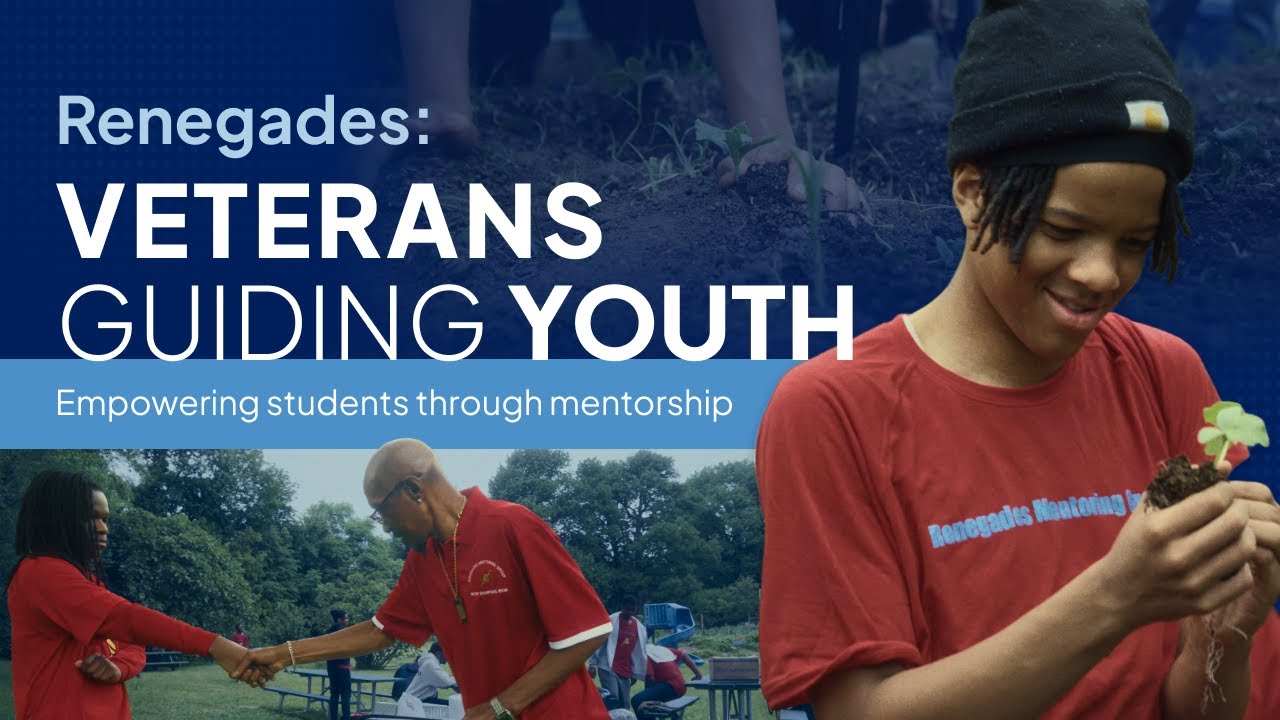
Anthony has also worked closely with local veterans by addressing social isolation and chronic illness through The Renegades program. Since 2018, he has led year-round support group meetings, community outings—including bowling, museum visits, and movies—and launched a mentorship program linking veterans with middle-school boys from the Bluford School to combat gun violence.
Under his leadership, the program has engaged over 50 veterans and 30 students, contributing hundreds of volunteer hours and leveraging a Penn Medicine CAREs grant to fund these activities.
Anthony described the work simply: “Hurt people hurt people. Healing people heal people,” he said.
With support from an earlier CAREs grant, the program expanded to include gardening and mentorship projects at Sankofa Community Farm. Veterans and youth tend plants together, share stories, and learn that growth requires intention, care, and patience.
CAREs grant recipients represent Penn Medicine entities across the health system and the Perelman School of Medicine. Funding supports program supplies, educational materials, outreach, and training that allow these initiatives to expand their reach and sustain their impact.
Founded in 2012, the CAREs grant program was developed to recognize and support that work, while at the same time helping local organizations who continue to find ways to address unmet community needs. The program has provided over $1.4 million to initiatives in the communities Penn Medicine serves, including in Philadelphia, Lancaster, Doylestown and Chester County, along with southern and central New Jersey, including the Princeton area.
To learn more, visit Supporting our communities.Media contact
Eric Horvath
C: 215-821-4289
Eric.Horvath@pennmedicine.upenn.edu
For Media Queries & Requests (24/7): 215-662-2560