
Multiple sclerosis and neuroimmunology
World-class centers for multiple sclerosis care
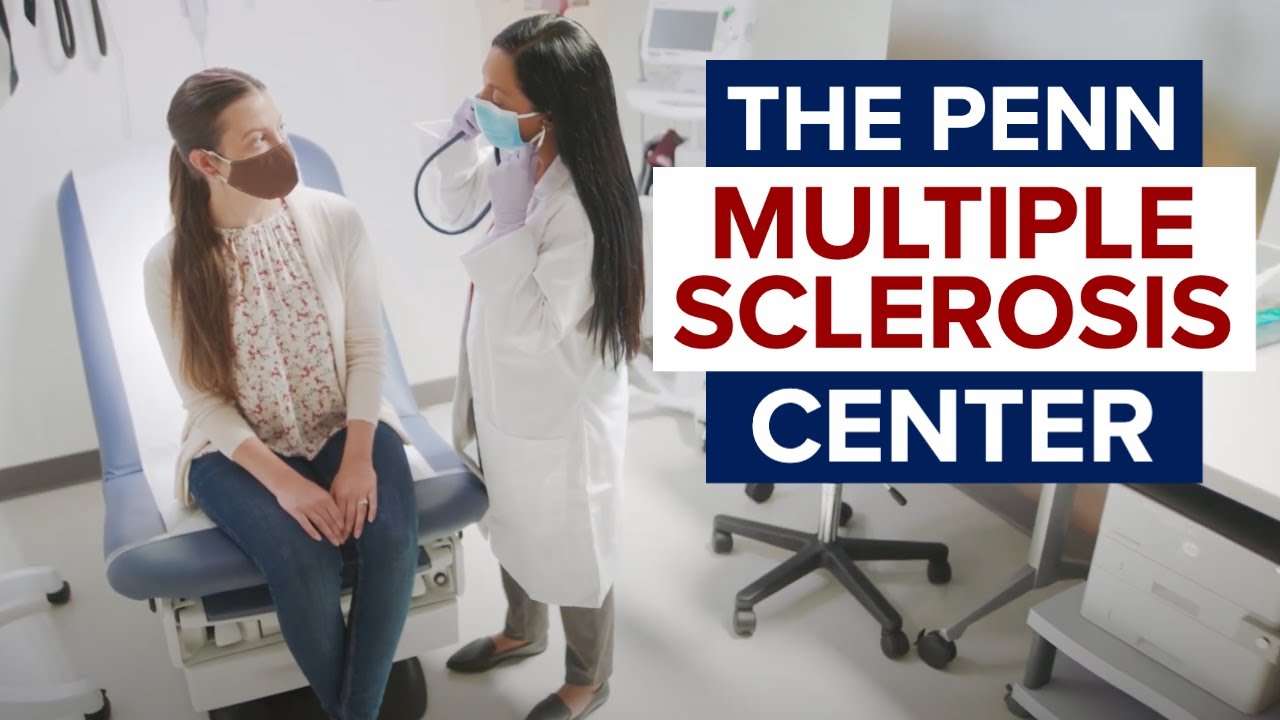
Our Multiple Sclerosis (MS) Comprehensive Care Centers are leading MS care centers visited by patients nationwide. Our physicians focus exclusively on MS and neuroimmunology disorders. Based on this experience, we can make accurate diagnoses quickly and deliver the best treatment and management options for living with multiple sclerosis.
We understand how stressful it can be to face an MS diagnosis and offer compassionate support through the process. Many of our patients choose Penn Medicine for second opinions, especially if they were unable to get clear results elsewhere. Others choose us because of our commitment to research, which means we’re often the first to uncover new information about MS and its triggers.
There are many more reasons you can trust us with your MS care. From access to innovative treatments and clinical trials to our dedicated pharmacists and extensive rehabilitation programs, Penn Medicine is dedicated to ensuring you feel supported throughout your MS care journey.
Diagnosis and treatment of MS at Penn Medicine
Our dedicated MS centers are led by highly trained clinicians who specialize in the diagnosis, care, and management of MS and other neuroimmune disorders. Confirming an MS diagnosis can be straightforward, but is not always. Because we see patients with MS daily and offer the latest laboratory, imaging, and electrophysiological technology (that measures electrical activity in the body), we can pinpoint your MS diagnosis quickly. Many people seek second opinions from us to get the most accurate diagnosis.
While there is no known cure for multiple sclerosis, our commitment to research ensures you have access to the latest clinical trials and advanced treatments, delivered by pioneering neurologists and dedicated pharmacists. Beyond the treatment of physical symptoms, our services cater to your entire well-being through specialized rehabilitation and support programs like our Age-Span Women’s MS Program, addressing specific concerns like menopause and pregnancy. Our Transition of Care Program facilitates seamless care transitions for young adults, emphasizing our dedication to empowering patients at every stage of their journey with MS.
The Penn Multiple Sclerosis Centers
Our programs are designated by the National MS Society as National MS Comprehensive Care Centers. This distinction is given only to MS programs that provide thorough, innovative care while also conducting research to advance understanding of the causes of MS and the most effective treatments.
Support programs for MS care
We provide compassionate care and support that goes beyond just treating physical symptoms. We’re here to help you every step of the way, giving you access to specialized resources and programs, education, and support that enhance your quality of life.
We understand the unique challenges MS presents at every stage of life. Our Age-Span Women’s MS Program addresses issues that tend to be increasingly important to women living with MS as they age, such as family planning, pregnancy, bladder and sexual dysfunction, and menopause. Our team of dedicated pharmacists, social workers, and rehabilitation specialists work together to curate resources and support for your unique preferences and needs.
Menopause is a stage of life that can uniquely affect patients with MS. While research is ongoing, and everyone experiences menopause differently, it may worsen some MS symptoms. Our neurologists are experienced in treating patients who are going through menopause while also navigating the challenges of neuroinflammatory conditions like MS.
Starting a family and going through pregnancy can be a very special and exciting time, but it can also come with unique challenges for those living with MS and related disorders. Our team of gynecologic specialists and neurologists are here to support you every step of the way. We understand that every patient has unique needs. That’s why we work closely with you to determine the type of support you’ll need throughout your family planning journey. If you’re not quite ready to conceive, we’ll help you identify the best method of birth control. When you’re ready to start a family, we’ll identify the best support and resources for your pregnancy and delivery.
While having MS doesn’t automatically mean you will have a high-risk pregnancy, we’re here to answer any questions you might have about what to expect before and during pregnancy, and after you give birth. If you have MS or a related disorder and are thinking about starting a family, your Penn Medicine care team will talk with you about:
- Choices for breastfeeding
- How active your MS symptoms are
- Options for delivery and anesthesia
- Which medications you should or shouldn’t continue to take
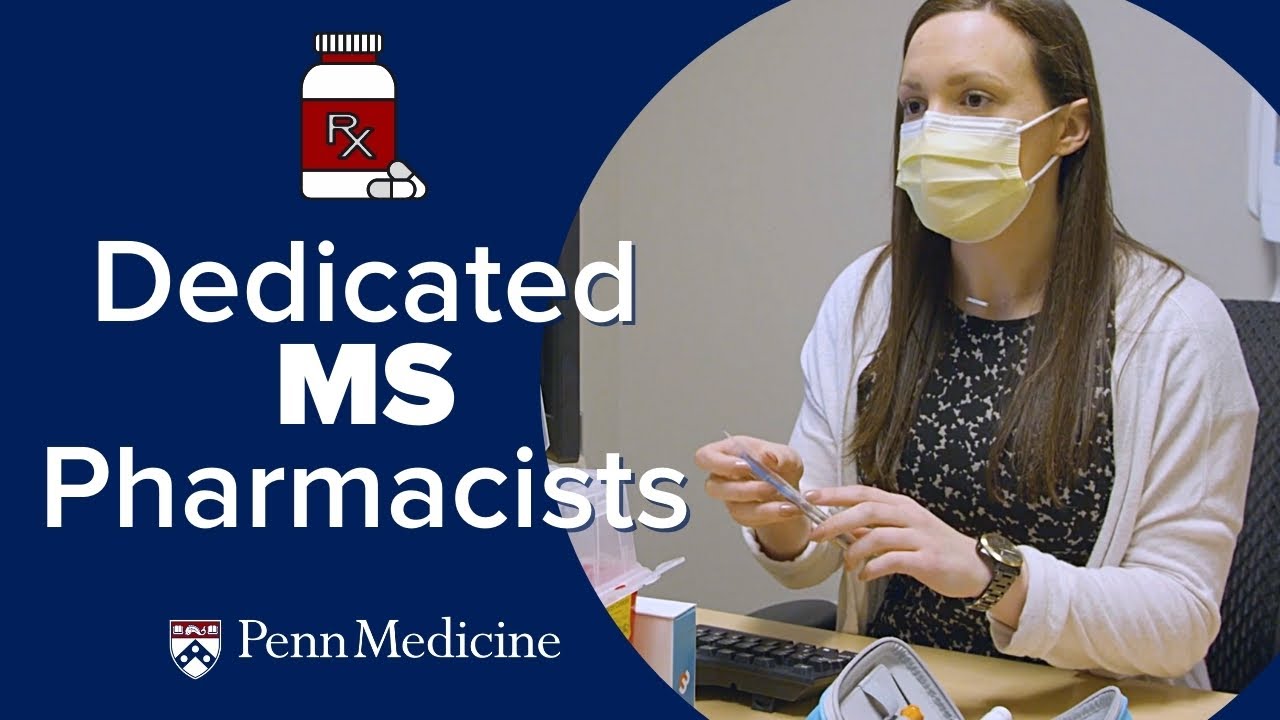
We understand that navigating MS care involves more than just your doctor. Our dedicated MS pharmacist and pharmacy technicians help connect the MS care you receive from your provider through your ongoing treatment. Because there are so many drug options used to treat MS, your pharmacy team helps to ensure you’re receiving the right course of treatment for you, guides you through managing and preventing side effects, and assists you in navigating the insurance process as quickly as possible. For those receiving IV treatment, some of our MS Center locations also have an onsite infusion suite so that you can receive your care in one convenient location.
Rehabilitation is an important aspect for those living with multiple sclerosis. We take a holistic approach to rehabilitation, considering all aspects of your care and support needs. This approach is designed to prevent you from experiencing complications and to help you maintain or improve your bodily function, cognition, and vocal abilities. Our specialists recognize the importance of treating your neurological condition while also making sure you have a good quality of life. Our rehabilitative support includes:
- Energy management
- Exercise programs
- Nutrition programs
- Occupational therapy
- Physical therapy
- Speech therapy
As part of our commitment to education, we empower patients and caregivers through our monthly patient programs, wellness programs, and support groups. These spaces enable information sharing and connection through discussion of topics including:
- Exercise
- Managing work and family while living with MS
- Mindfulness
- MS treatments
- Physical therapy
Our specialists also share their expertise through local and national seminars to better equip healthcare professionals in treating these rapidly evolving conditions.
Neuromyelitis optica spectrum disorder (NMO) and Myelin oligodendrocyte glycoprotein (MOG) antibody associated diseases are inflammatory disorders of the central nervous system that are related to MS and require a special treatment approach. Penn Medicine experts are experienced in providing the latest care and research for people living with these disorders.
Penn Medicine offers a special Transition of Care Program and a unique clinic for children with NMO and MOG-antibody association diseases or undiagnosed white matter disorders. In collaboration with the multi-site Leukodystrophy Program at the Children's Hospital of Philadelphia (CHOP), our team uses the latest advances in neurogenetics to successfully diagnose and provide seamless transition care for young adults.
As patients transition care from CHOP to Penn Medicine, they’re assigned a navigator and a social worker to serve as points of contact and help set up appointments, address insurance concerns, and help connect them to the full spectrum of resources at Penn. In addition, our Transition of Care Program offers screenings to help our specialists address:
- Depression and mood disorders
- Psychosocial support
- Sexuality and contraception
Our program offers additional one-on-one conversations to help our specialists connect you or your child to the right resources at Penn Medicine or the Children’s Hospital of Philadelphia.
The clinic team is led by Jennifer Orthmann Murphy, MD, PhD and is supported by a genetic counselor and social worker. They draw from the latest advances in neurogenetics to successfully diagnose people with unexplained white matter disorders. And then work to support patients as they navigate the complexities of this challenging diagnosis.
MS wellness and support groups at Penn Medicine
Our support groups and wellness events are designed to bolster mobility, strength, function, and overall well‑being, which are critical for managing the physical challenges of MS.
MS and related disorders research
Researchers are continuing to learn more about MS and related conditions every day. That's why it's important to have access to the latest research and to be treated by specialists who thoroughly understand and apply that research. When you choose Penn Medicine, your treatment will be provided by pioneering neurologists.
The Penn MS and Related Disorders Center is committed to better understanding the causes of MS, its triggers, and its related disorders. Using this new knowledge, we are helping to pave the way for novel treatments and improved diagnostic tools that will enhance outcomes and quality of life for those living with these disorders.
Our doctors
Our providers work with you to plan and deliver exceptional treatment and personalized care.
Find MS and neuroimmunology care near you
With locations in Pennsylvania and New Jersey, you can find world-class care for MS and related disorders conveniently in your community.
Related articles
Patient stories
Steve Lengle's sepsis care, safe at home
The Advanced Home Health team worked through Steve Lengle's fear of needles and dislike for medical procedures to treat him with IV antibiotics and fluids in the comfort of his home. “The whole Penn Medicine Advanced Home Health team was fantastic,” his wife Michelle said. “It was a godsend, not just for my husband, but for me.”