Supporting wellness, one meal at a time
Hundreds of thousands of individuals across the region Penn Medicine serves experience food insecurity, meaning they struggle to afford or get enough good food to sustain a healthy lifestyle. And the impacts of food insecurity are more than just hunger: Being food insecure is associated with higher risks of chronic diseases including diabetes, heart disease, and stroke.
Penn Medicine is committed to addressing food insecurity and promoting community health through innovative partnerships and programs that increase access to healthy food options. All Penn Medicine hospitals include a food pantry. Across several of our locations, we offer additional services, including mobile food pantries, nutrition counseling, and community fridges that help ensure patients, families, and neighbors have access to fresh, nutritious food. Together, with local organizations and dedicated staff, we create pathways for patients to live healthier lives.
Food access in Philadelphia
Several Penn Medicine locations provide access to healthy food for patients, families, and local communities. A few of our community food pantry and refrigerator projects are highlighted below.
HUP Harvest is a food pantry located at the Hospital of the University of Pennsylvania (HUP) and the Hospital of the University of Pennsylvania-Cedar (HUP-Cedar). Its expanding array of services includes free food and consultation with patients and families experiencing food insecurity, such as postpartum patients and families in the Intensive Care Nursery. In partnership with Philabundance, the city’s largest hunger relief organization, HUP Harvest receives at least 500 pounds of food weekly and distributes up to 200 grocery bags each month, which are tailored to the specific dietary needs of recipients. HUP Harvest also provides recipes and resources to encourage healthy eating.
The FAST platform, developed by the Center for Health Equity Advancement (CHEA) at Penn Medicine, improves connections between healthcare systems, food access organizations, and minority-owned businesses to address food insecurity in Philadelphia. By streamlining the process of matching food needs with available resources, FAST ensures quicker and more reliable food delivery to vulnerable households. Since its launch in 2021, the program has formed important partnerships, including collaboration with Black and Mobile, a Black-owned delivery service, to meet urgent food delivery needs. The initiative aims to expand further, fostering stronger community networks to ensure no one goes without food.
Penn Medicine and the Philadelphia Union partnered to open a community refrigerator and pantry at the Boys and Girls Club of Chester, addressing food insecurity in the area. Stocked with fresh produce, pantry staples, and frozen meats, the community refrigerator is accessible weekdays with a no-questions-asked policy. The program is supported by non-profit Sharing Excess and community volunteers who ensure weekly restocking and community engagement through donation drives and volunteer events.
Penn Medicine and the Philadelphia Flyers teamed up to donate 30 pounds of food per assist in the 2023-24 season, totaling 11,070 pounds to Philabundance’s Food Desert Program. The program, which continues in the 2024-25 season, helps address food insecurity in Philadelphia, where about 10 percent of residents struggle to access nutritious meals.
Food access in Chester County
The food pantry at Penn Medicine Chester County Hospital’s OB/GYN Clinic helps address food insecurity among under- and uninsured patients, including many Spanish-speaking families. Established in partnership with the Chester County Food Bank, the pantry provides nonperishable, culturally appropriate groceries to expectant mothers and their families, ensuring access to nutritious food during a critical period. Since its launch in October 2022, the pantry has served over 200 households, with more than half including children. The pantry also distributes gift cards funded through donations, enabling community members to make food purchases that are tailored to their needs.
Food access in Lancaster County
Penn Medicine Lancaster General Health is dedicated to ensuring that every Lancaster County resident has access to fresh, nutritious meals through collaborative programs like Hunger-Free Lancaster County, Fresh Express Columbia, and the Food Farmacy.
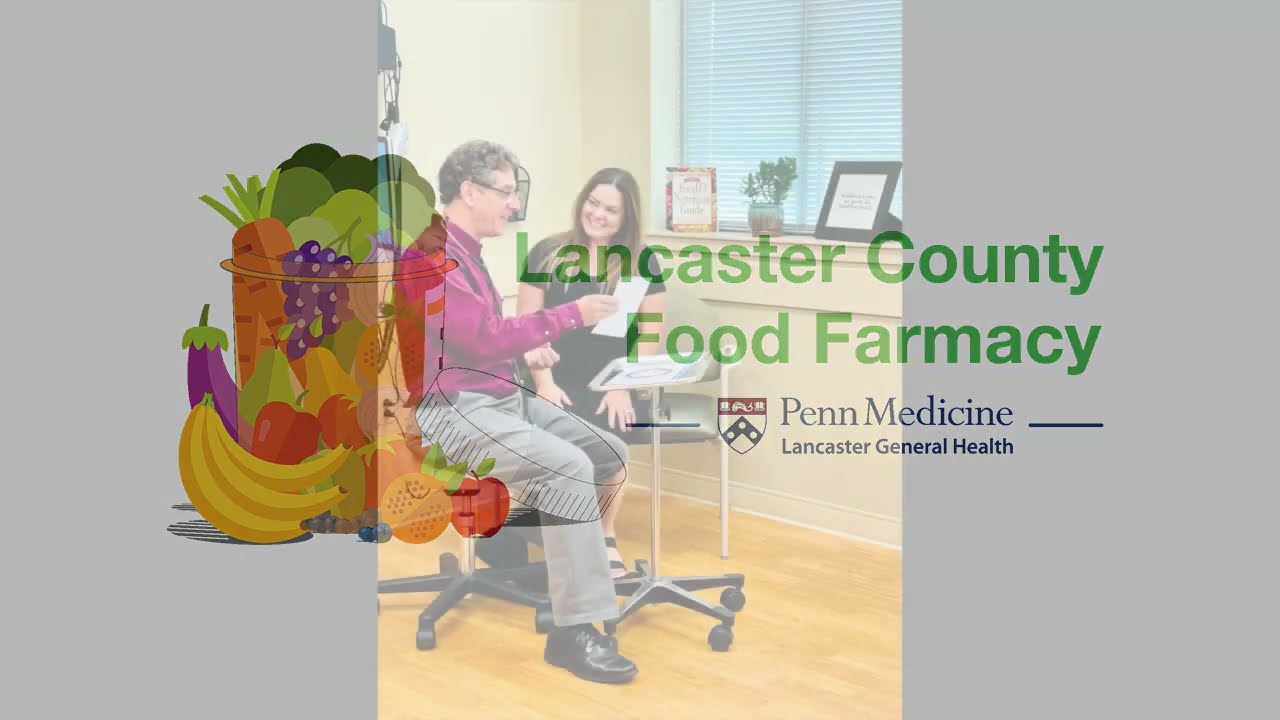
A dietitian with Lancaster County Food Farmacy offers free nutrition counseling and free, healthy food to patients and their families. Clients with a nutrition-related chronic disease and a limited budget may be eligible for this program. The Food Farmacy is part of Lancaster General Health’s larger Food is Medicine community benefit initiative, which addresses barriers to healthy eating in Lancaster County, particularly for low-income, food-insecure individuals and families.
A partnership between Lancaster General Health, Community Action Partnership, Columbia Life Network, and Central PA Food Bank, this mobile fresh food pantry in Columbia, PA, provides fresh produce and healthy food options to Columbia residents who meet income guidelines.
Columbia residents who meet household income criteria can receive free fresh fruits and vegetables, milk, eggs, and other healthy foods at this monthly event. Bring an ID or proof of address and bags or boxes to take food home. For more information, please call 717-684-1497.
Lancaster General Health is a committed supporter of Hunger-Free Lancaster County (HFLC), a community coalition of over 40 organizations working together to ensure sustainable access to three healthy meals a day for all Lancaster-area residents.
Hunger-Free Lancaster County is focused not only on eliminating the meal gap in Lancaster County but is also committed to ensuring that all people in Lancaster have access to fresh, wholesome meals.