
Liver transplant waiting list and staying ready
Preparing for a liver transplant
If you complete the liver transplant evaluation process and our team decides a liver transplant is right for you, we place you on the United Network for Organ Sharing (UNOS) waiting list. Being on the transplant waiting list is a hopeful time that also comes with some uncertainty. While you’re on the waiting list, our liver transplant team is here to help you stay prepared and feel supported.
How do you get on the waiting list for a liver transplant?
Being placed on a transplant waiting list means that your name and medical information go into the UNOS database, the national database uses to allocate donor livers in the United States.
The wait time for a liver transplant can be a few days or several years, depending on factors including:
Your position on the liver transplant waiting list is based on medical urgency, which is determined by your MELD (Model for End Stage Liver Disease) score.
Your MELD Score is based on four lab tests:
- Bilirubin, which represents your liver function
- Creatinine, which represents your kidney function
- Sodium, an electrolyte affected by liver disease
- INR, a test that measures how long it takes your blood to clot
During your time on the waiting list, you’ll have these tests done regularly so we can keep your MELD score updated. How often we update your labs depends on how sick you are.
Your position on the list may change based on your health status and as other patients are added to the list or receive transplants.
Your donor liver must be from someone with the same blood type (A, B, AB, or O). People with blood type AB can receive a liver transplant from a donor with any blood type.
In order for the donated liver to fit properly in your body and have the capacity to function correctly, it should be from a donor about the same size as you. People who are smaller or larger than average may wait longer.
Children are given priority for livers donated from pediatric donors.
A donor liver can’t be outside a body indefinitely. Travel time to our transplant center is taken into consideration when donor livers are allocated.
Using your voice to find a liver donor match
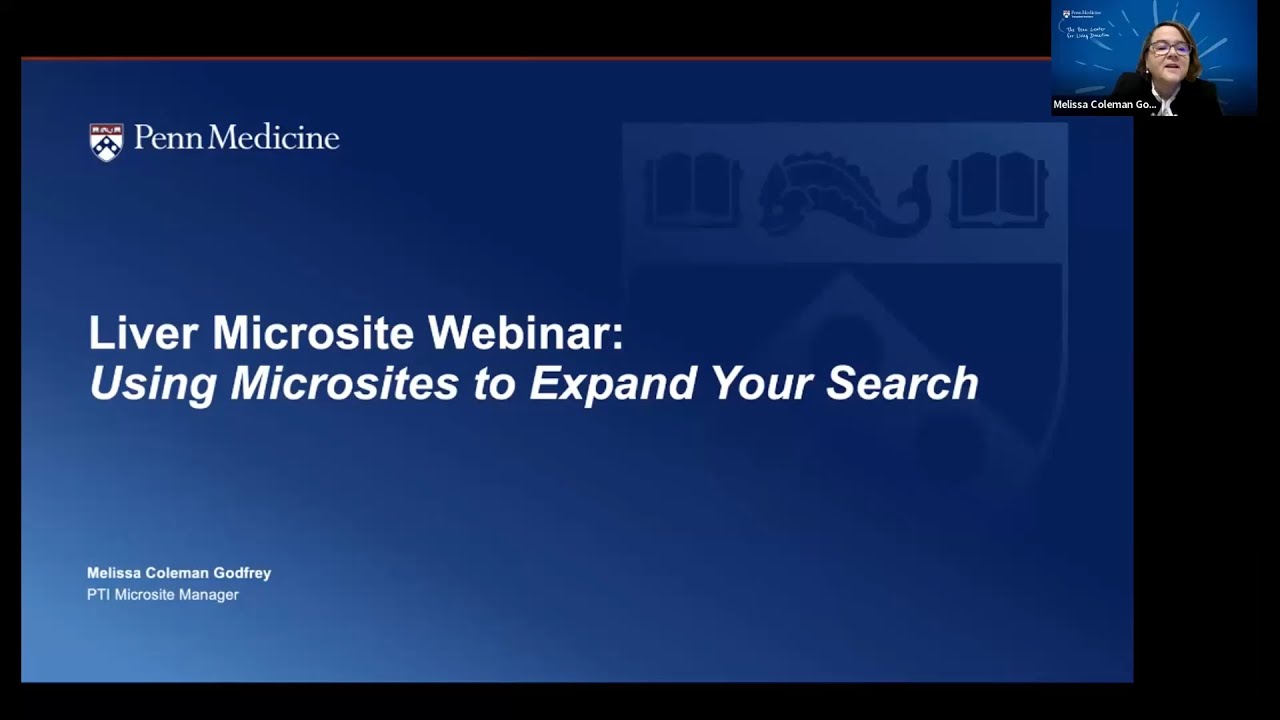
The Penn Transplant Institute encourages and educates candidates awaiting a liver transplant to build personal "microsites" about their journey and need. Microsites offer a unique way for patients to connect with potential living donors by broadening their reach beyond traditional waiting lists, potentially speeding up the critical process of finding a match. Discover more about this impactful program and hear inspiring stories by visiting our Living Donor Microsites YouTube playlist.
How to stay ready while on the liver transplant waiting list
To ensure you’re ready, we advise you to:
Prepare the essentials
The most important part about being ready for a liver transplant is being reachable and ready to come to the hospital.
- Carry a cell phone at all times so we can contact you.
- Make arrangements for transportation to the hospital ahead of time.
- Pack your bags in advance, including a 24-hour to 48-hour supply of any medications you take.
- Set up an advanced directive and identify a power of attorney.
Stay in touch
The transplant team is your partner in care before, during, and after your liver transplant. It is important to attend all follow-up appointments. Be sure to keep us updated about:
- Address or phone number changes
- Additional emergency contacts we can call when a liver becomes available, in case we aren’t able to reach you
- Changes to medications or health, including hospitalizations
- Medical insurance changes
- Travel plans that may impact your ability to accept organ offers
Focus on your health
Going into transplant surgery as healthy as possible helps you have the most successful outcomes possible. It’s also important to find ways to manage the stress of waiting.
Our pre-transplant coordinators, social workers, support groups, and nutritionists are available to help you:
- Exercise and follow your nutritionist’s diet advice
- Take all of your medications as prescribed
- Keep up to date on basic medical tests and routine appointments
- Set up a support group of people who can assist you at home after your surgery
Our doctors
Our providers work with you to plan and deliver exceptional treatment and personalized care.
Locations
Our hospitals, multispecialty medical centers, pharmacies, labs and more offer outstanding, personalized care for patients all across the region.